Businesses having manual workflows spend a lot of resources on trivial tasks hampering their growth in an automated digital first landscape.
They pay the quiet tax that manual processes place on them. It rarely shows up as a single dramatic failure. It shows up as slow approvals, duplicated data entry, missed follow ups, and teams spending hours on work that adds no real value.
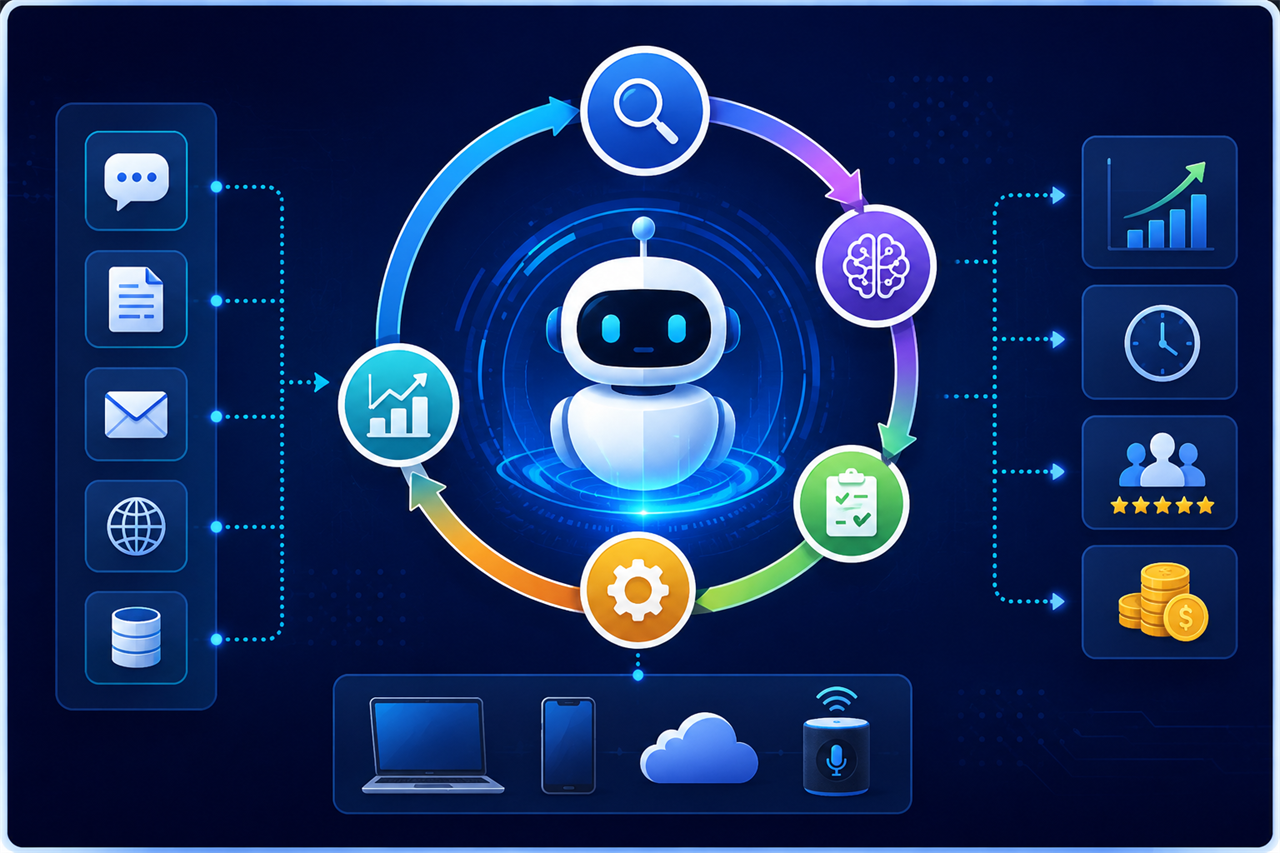
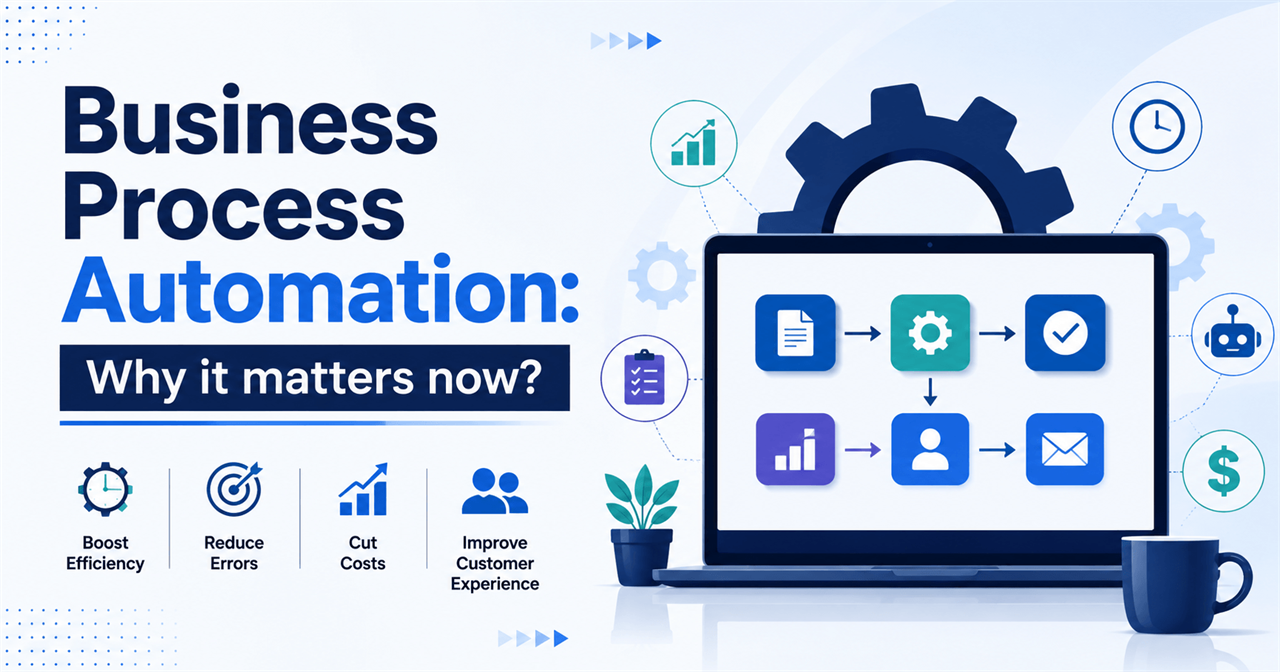
At its core, business process automation is the practice of using software to handle repetitive, rule-based tasks that would otherwise depend on a person remembering to do them. Approvals route automatically. Data moves between systems without anyone copying and pasting. Reports generate themselves instead of being assembled the night before a meeting.
Most leadership teams underestimate how much manual work costs because the expense is scattered. A few minutes lost here, an approval delayed there, a report compiled by hand every Friday. None of it looks urgent on its own.
Add it up across a year and the picture changes. Errors creep into repetitive tasks. Talented employees spend their week on administrative work instead of the parts of their job that require judgment. And when a process depends entirely on one person's memory, the business becomes fragile in a way that only becomes obvious when that person is unavailable.
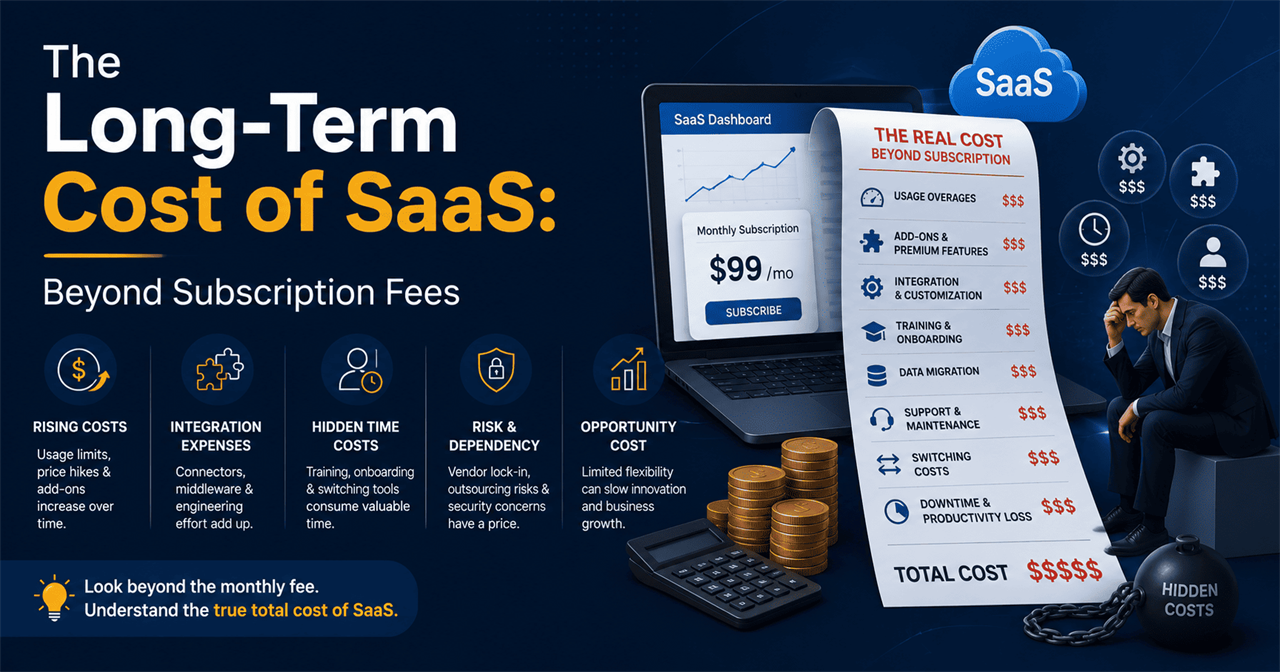
There is also a slower, less visible cost in the accumulation of tools. Many businesses respond to these pain points by buying a new SaaS subscription for every problem. A tool for leads, a tool for HR, a tool for inventory, a tool for reporting. Each one solves its slice of the problem while adding a new login, a new monthly bill, and a new system that does not talk to the others.
Automation tends to deliver the fastest wins in a few predictable areas. In sales, lead capture and follow up can move from a shared spreadsheet to a system that assigns leads automatically and flags one’s going cold. In HR, onboarding paperwork, document collection, and access provisioning can happen without a coordinator chasing signatures. In finance, invoice approvals can route based on amount and department instead of sitting in someone's inbox. In operations, inventory counts can update in real time instead of relying on a weekly manual check.
None of these require a complete technology overhaul. Most businesses find it more useful to automate one painful process well before attempting to automate everything at once.
The benefits of automation are well documented, but three matter more than the rest for most businesses.
The first is time. Work that used to require someone's attention now happens on its own, freeing people for tasks that need a human mind.
The second is accuracy. Manual data entry is one of the most common sources of costly errors, and automation removes that risk almost entirely.
The third is visibility. When a process is automated, it also becomes measurable. Leaders can see where bottlenecks form instead of guessing.
There is a fourth benefit that gets less attention: consistency. An automated process behaves the same way every time, regardless of who is having a busy week.
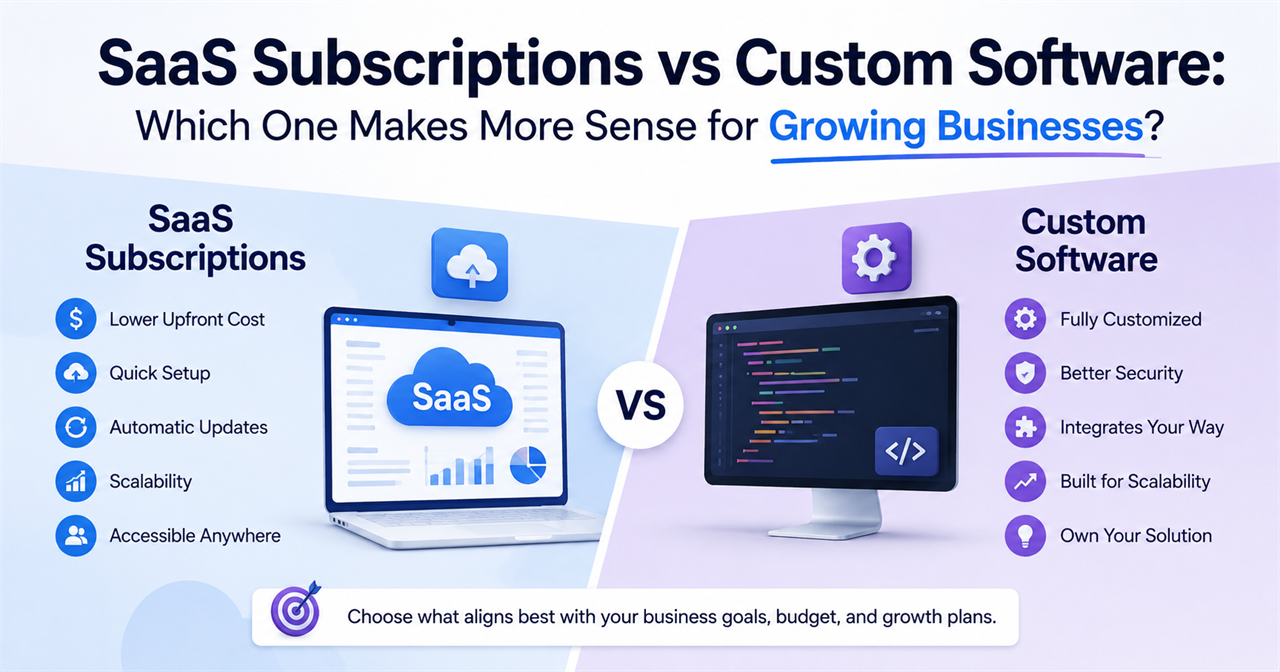
The default path for most businesses is to solve each operational pain point with another subscription tool. It feels fast in the moment, but a few years in, many businesses find themselves paying for six or seven different platforms, each charging per user, each holding a slice of company data, and none of them built specifically around how that business works.
Instead of renting a patchwork of tools indefinitely, a business can invest in a single platform built around its exact workflows, then keep it. This is closer to buying a building instead of renting office space forever. The upfront effort is greater, but the business ends up holding something that belongs to it: the workflows, the data, and the platform itself, running on its own infrastructure rather than someone else's servers.
A few signals tend to show up before a business is ready to seriously consider automation. Teams start describing the same manual workaround for months without fixing it. Approvals depend on people being physically present or available on chat. Reporting takes hours to compile because data lives in disconnected spreadsheets. And the monthly software bill keeps growing even as the number of employees using each tool shrinks.
If more than one of these sounds familiar, it is worth mapping the actual processes before choosing any technology. Automation implemented on top of a broken workflow will only make the broken workflow faster.
The businesses that get the most out of automation tend to follow a similar pattern. They start with one high friction process rather than trying to automate everything simultaneously. They involve the people who do the workday today, since they understand the real exceptions and edge cases better than anyone in leadership. And they treat the first automated workflow as a template, refining it before expanding to the next department.
Rushing this stage is the most common reason automation projects stall. A workflow that looks simple on a whiteboard often has three or four exceptions that only surface once real people start using it.
How CHL Softech Approaches Business Process Automation
This is exactly the gap CHL Softech was built to close. Rather than pointing businesses toward another subscription tool, we study how a business actually operates and builds a platform around it, covering areas like CRM, HR, inventory, finance approvals, and internal reporting within a single system.
The process starts with a free automation audit, where we map existing workflows and identifies where automation will have the biggest impact before writing a single line of code. From there, the platform is built, tested, and handed over as something the business fully controls: its own codebase, its own data, hosted on its own infrastructure. No recurring per user fees, no dependency on a third party's roadmap, and no starting over when the business outgrows a template built for someone else.
Business process automation is more about people than tools. It is about removing the friction that quietly slows a business down every day, whether that is a delayed approval, a duplicated spreadsheet, or a process that only one person fully understands.
The bigger decision is not whether to automate, but how. Renting another tool might solve today's problem. Building a platform designed around how the business works tends to solve it for good.
If your team is ready to map out which processes are worth automating first, CHL Softech's free automation audit is the right place to start.
We are here to assist with your questions. Write us a message, and we will get back to you shortly.

.png)