Imagine a company that has just given its website a fresh look. Within days new visitors arrive from Germany, Brazil, and Japan. The marketing team celebrates, but the operations team faces a new question. How can the business speak clearly to all these people without rebuilding the site or delaying every update? This is the everyday reality that pushed AI website translation from a clever idea to a practical necessity. Machines have become fast and reliable, yet people still shape the message that builds trust. The real story is about cooperation rather than rivalry.
Not long ago machine translation for websites felt like a shortcut that everyone used with caution. The text was understandable, but it often sounded like a manual written by a robot. Today the process is far more thoughtful. Modern systems crawl a site the way a search engine does, pull out the visible text, and break it into small segments. Each segment is translated with models that look at full sentences and surrounding context.
Take a friendly line from a travel page such as “grab a bite at our hidden gem cafe.” Older tools treated those words separately and produced awkward results. Current AI language translation reads the intention and usually offers something warm and natural. Because of this progress, many companies now treat localization as part of their regular release routine instead of a stressful side project.
Speed is the first benefit anyone notices. Online stores change prices daily, support teams add articles every hour, and product pages evolve with each sprint. Automated website translation can keep all languages synchronized with the original in minutes. For technical teams this fits neatly with agile work and continuous delivery.
The cost difference is just as clear. AI-powered translation services create first drafts at a tiny fraction of the price of full manual work. Real time connections mean visitors see fresh content immediately in their own language. Many organizations follow a simple rhythm where software prepares the draft and reviewers refine the parts that truly matter. This balance keeps budgets healthy while preserving a human feel.
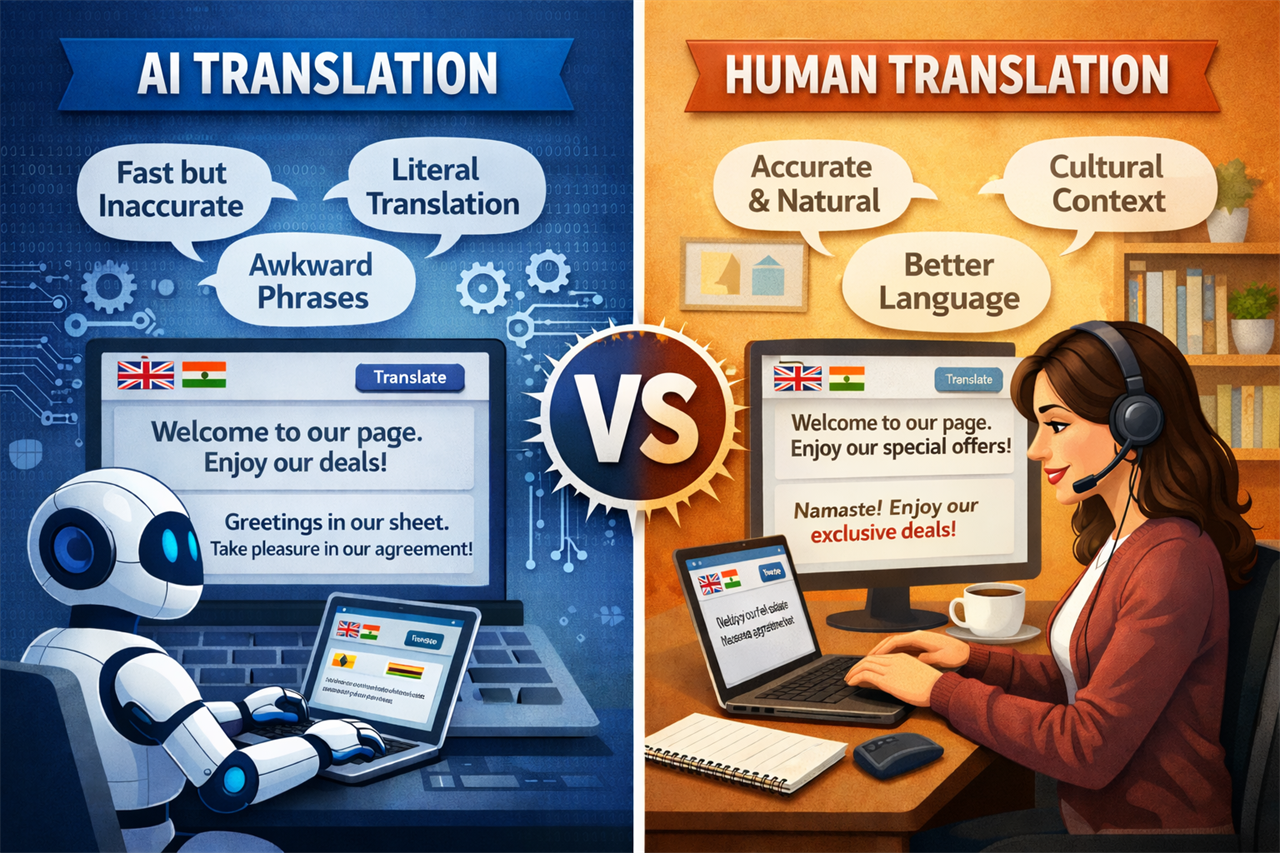
Even strong technology meets boundaries. Structured material such as product features, interface labels, or help articles usually translates well because the language is direct. Brand storytelling is another world. Humor, emotion, and cultural flavor do not fit neatly into formulas.
Think about a slogan like “Sweat now, shine later.” The challenge is the feeling behind the words. A literal version may be correct yet sound empty to local readers. Human reviewers reshape these lines so they carry the same energy in another culture.
Businesses have felt this difference in real numbers. One software firm launched several languages using only automation. Website visits jumped, but sales hardly moved because key pages felt cold and mechanical. Small details in buttons and onboarding messages influenced trust. Machines delivered volume, but not personality.
Human translators bring judgment that no algorithm truly owns. They learn how a brand speaks, notice local habits, and test alternatives the way a careful writer would. For legal notices, medical information, and contracts, precision is not optional. A small mistake can create serious problems.
Regional languages tell the same story. Support for Marathi, Punjabi, and many others has improved greatly, yet everyday expressions and local humor still benefit from native voices. Machines provide a strong starting point, while people make the message believable.
Today the process is far smoother than the old days of files flying back and forth. A platform can discover headings, paragraphs, buttons, and menus without touching the CMS. Each piece appears in a reviewer console with clear status such as machine translated, reviewed, or approved. Teams can focus on important pages like home or pricing and approve routine content in bulk.
Deployment has become gentle as well. Instead of creating duplicate pages or new URLs, a small script can serve translations directly on the existing site. Nothing needs to be rebuilt, and the language switcher shows the right version instantly. This non intrusive approach works with static sites, WordPress, headless systems, and custom stacks.
The best method depends on the purpose of each page.
Multilingual sites must also perform well in search. Modern tools create language tags and routing rules so search engines understand which page belongs to which audience. Yet keyword research still needs human thinking. A German customer may search with a phrase that differs from a direct English translation, and those nuances shape rankings and revenue.
Quality is now judged in practical terms rather than simple scores. Automated metrics help compare general text, but they do not always capture readability or brand voice. Technical documentation often shows strong results from machines, while creative writing continues to favor human reviewers. Outcomes vary by language and subject, which is why flexible processes matter more than any single number.
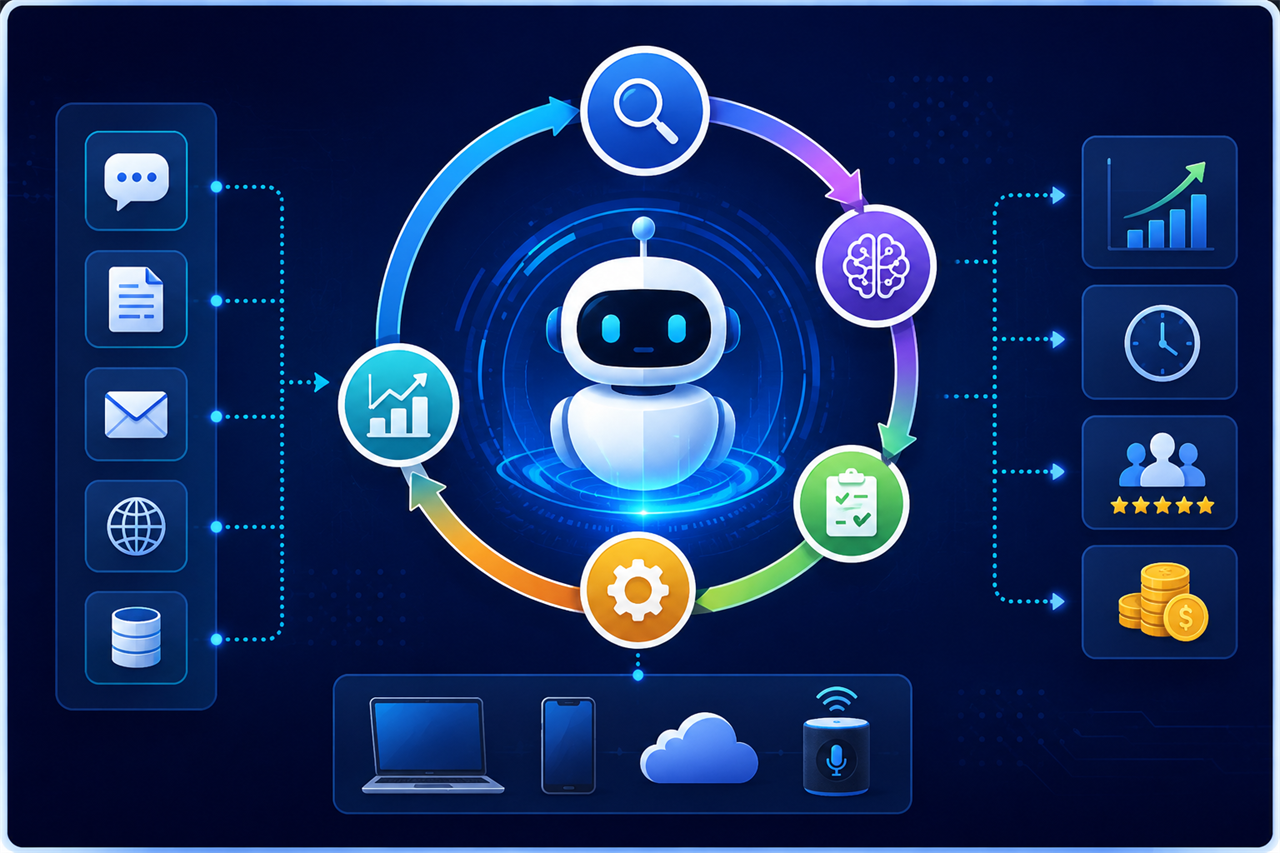
The next stage will connect translation with the wider digital experience. Systems already handle images, subtitles, and voice while respecting layout and accessibility. At the same time companies must watch for bias and cultural sensitivity hidden in training data. Human oversight will remain the safeguard for reputation.
The sensible choice is cooperation. AI website translation acts as the engine that keeps content current across many languages. Human specialists steer the message where trust and emotion count. Organizations that combine both can move quickly without sounding mechanical.
For any business looking beyond its home market, AI-powered translation services and automated website translation have become part of everyday infrastructure. Starting with machine translation for websites to reach users fast and strengthening important pages with human care offers a grounded way forward.
What languages or type of website are you working on right now?
We are here to assist with your questions. Write us a message, and we will get back to you shortly.

.png)